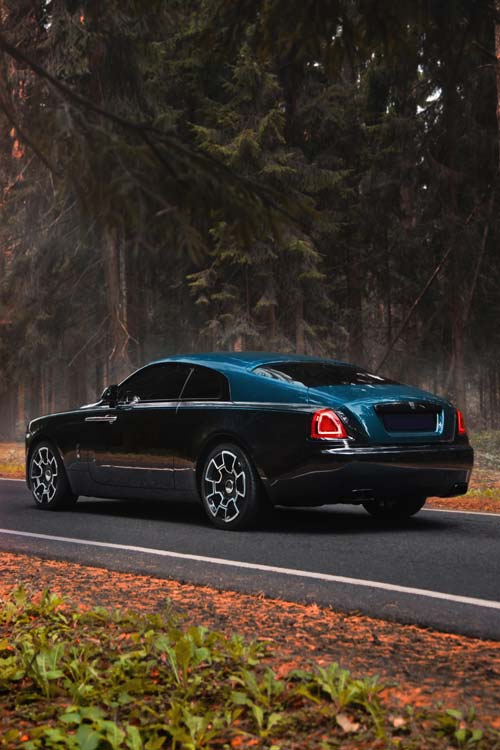
An exotic or collector car is not simply transportation. It may be a rare limited-production model, a meticulously restored classic, or a long-held dream finally realized. Insuring it the same way you would insure a daily driver can leave a significant gap, both in the value you recover and in the quality of the repair.
Why Standard Auto Policies Fall Short
Most standard auto policies settle total losses at actual cash value, meaning the market value at the time of loss as determined by the insurer. For rare and appreciating vehicles, that number can be well below what it would truly cost to replace the car. Standard policies may also direct repairs toward aftermarket parts or general repair shops, which is rarely appropriate for a high-performance or historically significant vehicle.
Agreed Value Coverage
The most important feature of a high-value auto or collector policy is agreed value. You and the insurer agree on the car’s value when the policy is written, supported by documentation such as purchase records, appraisals, and recent comparable sales. If the car is a total loss, the agreed value is paid, without depreciation or negotiation. Some policies also include automatic inflation protection for collector vehicles whose values are rising.
Repairs Done Right
For an exotic car, how it is repaired matters as much as whether it is repaired. Look for policies that offer:
- Original equipment manufacturer parts rather than aftermarket substitutes.
- Choice of repair facility, including manufacturer-certified and marque-specialist shops.
- Diminished value coverage on some policies, which recognizes that a car with an accident history may be worth less even after a perfect repair.
- Enclosed transport to and from the repair facility.
Collector Car Policies Versus High-Value Auto Policies
Collector car programs are designed for vehicles driven occasionally, such as weekend drives, shows, and club events. They often offer excellent value but include usage and storage requirements, such as a secure enclosed garage and limited annual mileage. Exotic cars that you drive regularly are usually better placed on a private client auto policy with agreed value and higher liability limits. Many of our clients have both: a private client policy for daily and regular drivers and a collector policy for the garage.
Liability Limits for Powerful Cars
High-performance vehicles carry high-severity liability risk. Florida’s minimum auto requirements are very low, and they do not reflect the exposure of an affluent driver. We recommend high bodily injury limits, strong uninsured and underinsured motorist coverage, and a personal umbrella policy that sits above your auto coverage.
Track Days, Rallies, and Events
Standard and collector policies typically exclude racing and high-performance driving events. If you attend track days or performance driving schools, ask about dedicated track day coverage, which is purchased separately for the event. Rallies and tours on public roads may be covered, but terms vary, so confirm before you go.
Storage, Security, and Hurricanes
- Store vehicles in a secure, enclosed garage with monitored alarms and, ideally, fire suppression.
- Keep battery tenders and climate control in good working order.
- Have a hurricane plan. Flooding is a leading cause of total losses for Florida collector cars. Comprehensive coverage generally responds to flood damage, but moving vehicles to an elevated, secure location or out of the storm’s path is the best protection.
- Document each car with photos, receipts for restoration work, and appraisals.
Household Drivers and Family Members
Make sure every licensed member of the household is properly listed, including teen drivers, and discuss which vehicles each driver may use. Household staff who drive family vehicles should also be reviewed with your advisor.
Restorations, Modifications, and Projects
Many collector vehicles go through restoration or modification, sometimes over months or years. A car in a restoration shop may face different risks than one in your garage, and its value often rises as work is completed. Some collector policies include coverage for vehicles under restoration, with agreed values that can be updated as milestones are reached. Keep detailed records of work completed, parts purchased, and photographs at each stage. If you modify a high-performance car, let your advisor know, since aftermarket changes can affect both value and insurability.
Shipping and Transporting Vehicles
Collectors frequently ship cars between residences, to concours events, or to specialist shops. Confirm whether your policy covers the vehicle while it is in the care of a transport company, and verify the transporter’s own cargo coverage and limits. Enclosed transport is strongly recommended for valuable vehicles. For international shipments or events abroad, coverage often requires special arrangements made well in advance.
Coverage as Thoughtful as Your Collection
At Eton Bridge, we work with private client and collector car specialists to protect vehicles that mean something to our clients. We document values carefully, coordinate agreed value updates as markets change, and make sure liability protection keeps pace. To begin, visit our auto insurance page or schedule a conversation with your advisor.